
Hallmark of Ageing: DNA Damage
Our genetic material is constantly at risk
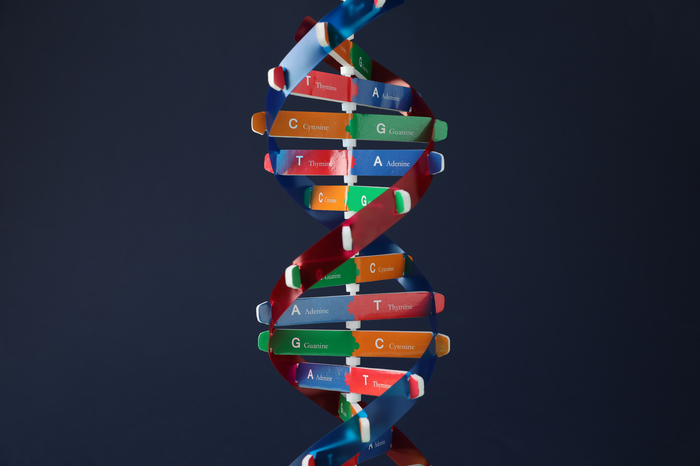
The DNA in each of our cells is damaged more than 100,000 times every day. That's an average of more than once per second! Since we are made up of over 1013 cells, this adds up to an incredible 1018 instances of DNA damage every day – that’s 1 with 18 zeros. Damage to our DNA is caused, for example, by UV light or natural and artificial substances that we consume with our food.
The better the DNA repair, the longer the lifespan
Among mammals, the species that accumulate the least DNA damage live the longest. These include horses and naked mole rats, for example. We humans are best at repairing DNAn damage when we are young. Nevertheless, DNA damage in our cells is repaired less and less efficiently over time and accumulates. This is one of the main causes of ageing.
DNA repair is very complex
There are many types of DNA damage: the DNA can break on one strand only (single-strand break), break on both strands (double-strand break) or be altered by chemical reactions. A specialised repair process is available for each type of damage. More than 150 genes are involved. Which specific repair process is activated, when they are activated and how they work together are central themes in our research. To this end, Mainz has established the largest research network in Germany in the field of DNA repair.
Permanent DNA damage contributes to ageing
Cells with genomes that are too damaged to be repaired stop dividing. They die or become "senescent" - a condition in which they trigger inflammation in the body and disrupt the function of other cells. This drives the ageing process. If genes with crucial functions are damaged, the resulting mutations can also lead to cancer and contribute to other age-related diseases such as Alzheimer's disease.
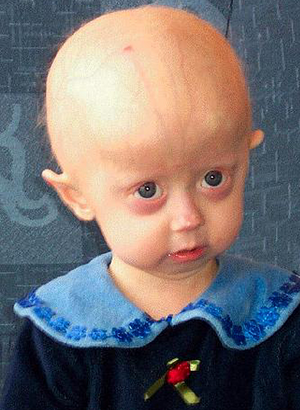
The importance of DNA repair in ageing is made even clearer in rarediseases in which patients age much faster than normal. These diseases, known as progerias, include Werner syndrome and Hutchinson-Gilford progeria syndrome. Their main causes are defects in DNA repair genes or disruptions in the structure of the DNA. Patients show symptoms of ageing in many organs and tissues at a very early age (less than 30 years old) that would normally occur from around the age of 65, such as balding, aged-looking skin and heart disease.
Healthier ageing by supporting DNA repair
If we could better understand the complex interplay of DNA repair, we could support the DNArepair processes that decline with age and make them more precise and efficient. This could reduce our risk of developing cancer or Alzheimer's disease. Patients suffering from progeria could also benefit from reactivating the defective DNA repair pathways in their cells.
The copyright for this text is held by the Centre for Healthy Ageing and Institute of Molecular Biology (IMB) gGmbH.
Authors: Vanessa Kellner (PhD), Cheryl Li (PhD), Samantha Schmaul (PhD) and Ralf Dahm (PhD).
This text is for general informational and educational purposes only. We make every effort to ensure that the information published is accurate and supported by the current scientific literature at the time of writing. This information is, however, not intended to provide medical advice or replace a qualified medical practitioner. Please consult your doctor or health care professional if you have any concerns or questions about your health or the information in this document.