
Hallmark of Ageing: Loss of protein maintenance & reduced cell recycling
Impaired proteostasis and autophagy are two intricately linked primary hallmarks of ageing. Autophagy is the process by which cells break down and recycle their components.
Cellular waste disposal
In order for our cells to function, they need many different proteins and larger molecular machines at the right time, in the right quantity and in the right place. Faulty proteins are repaired or removed, and proteins that are no longer needed are broken down. This highly effective protein quality control and waste removal process is called proteostasis. Larger accumulations of proteins and larger molecular machines, as well as invading pathogens, are recycled via a special pathway known as autophagy.
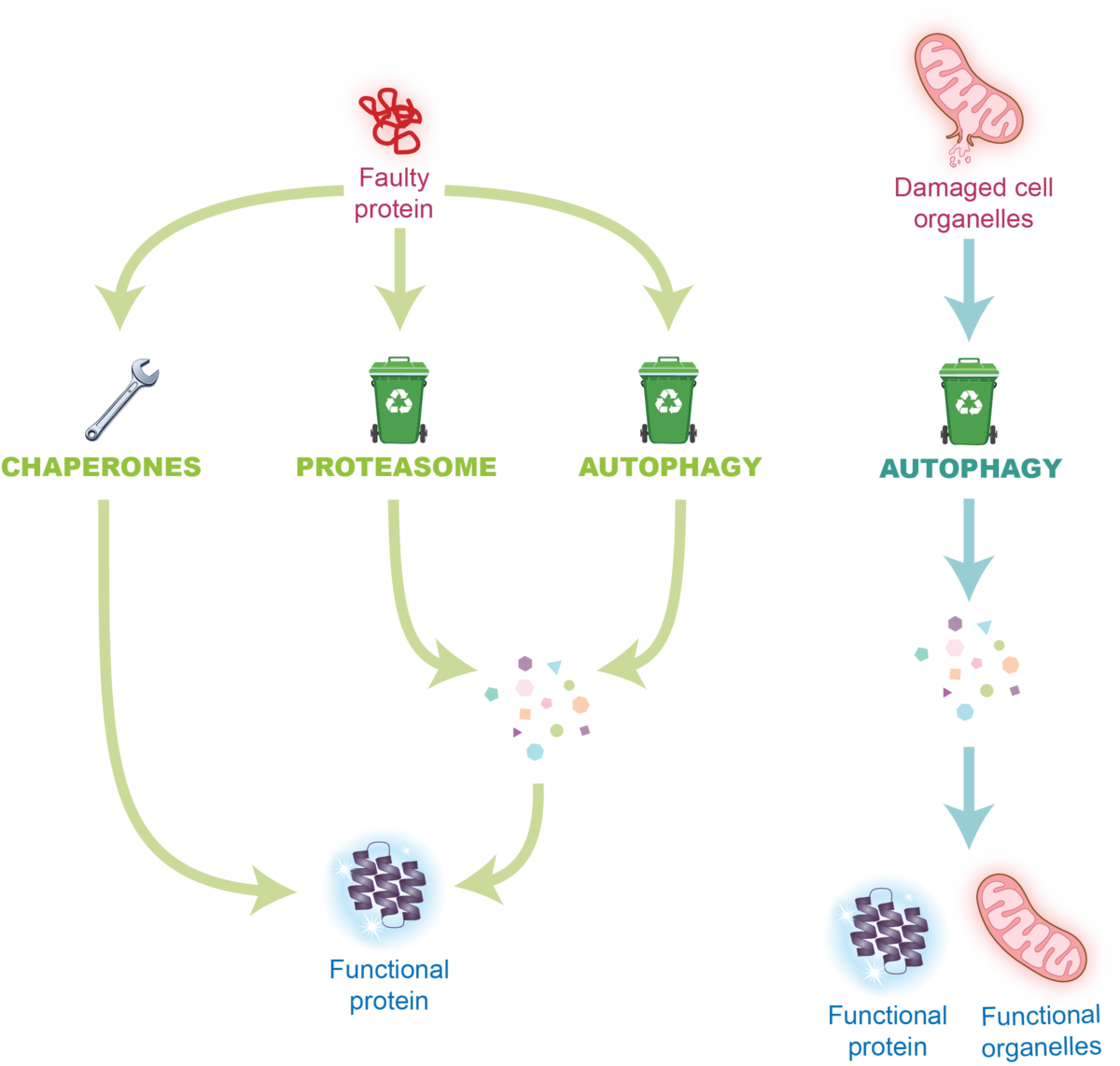
Proteostasis (chaperones and proteasome) repairs and removes faulty proteins from the cell, while autophagy recycles proteins, damaged cell organelles and invading pathogens into functional proteins. Image copyright © 2026 Centre for Healthy Ageing & Institute of Molecular Biology gGmbH. Unauthorised use prohibited.
Protein clumping contributes to ageing
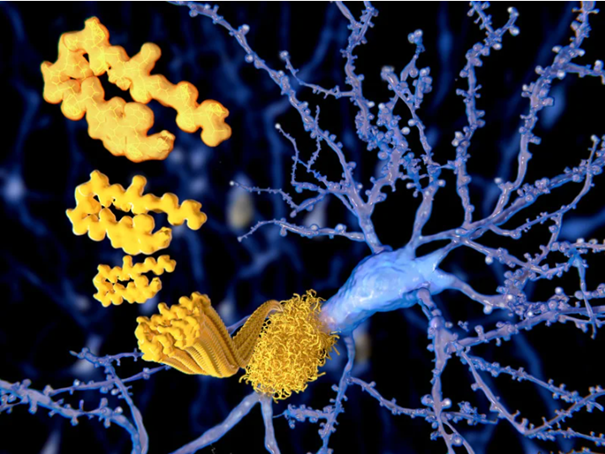
However, the older we get, the less effectively these processes work. Faulty proteins clump together and damage cells. These clumps (aggregates) can cause nerve cells in the brain to die. Impaired proteostasis and autophagy occur in neurodegenerative diseases such as Alzheimer's disease, Parkinson's disease and amyotrophic lateral sclerosis (ALS), which the famous physicist Stephen Hawking suffered from. Protein clumps also cause problems in other cell types: in the eye, clumped proteins can cloud lens cells and cause cataracts that impair vision.
Autophagy also becomes less effective as we get older. In addition to protein clumps, molecular machines that no longer function accumulate. Pathogens can no longer be combated effectively, and inflammatory reactions are triggered as a result.
Boosting autophagy and healthy ageing
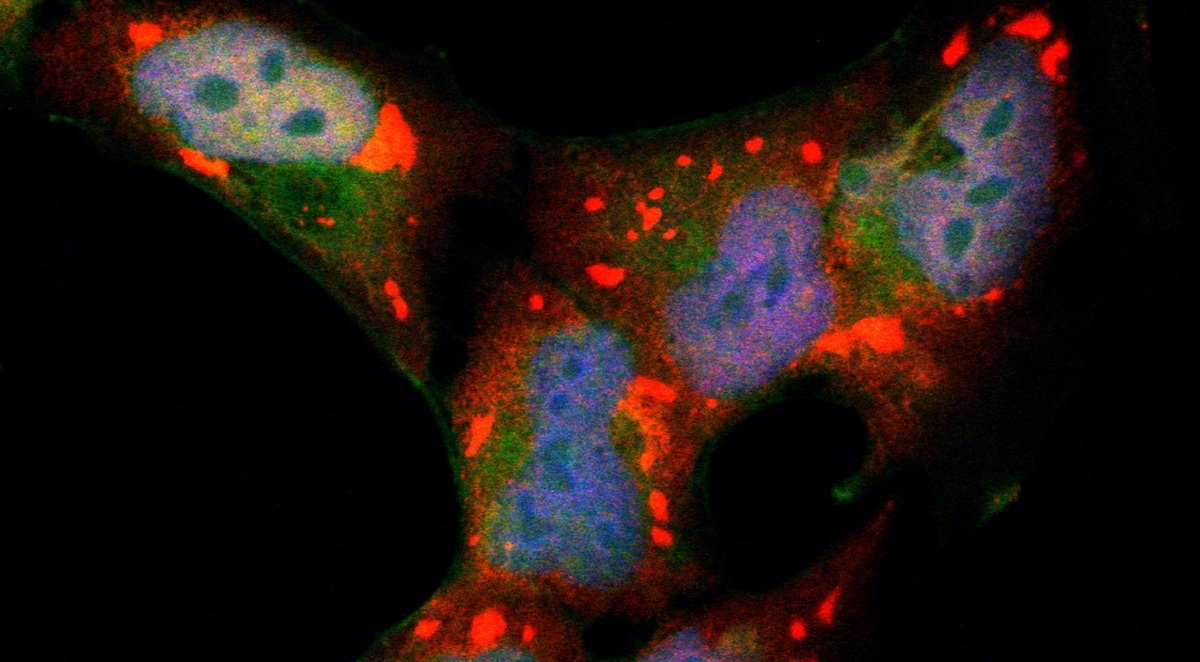
The direct link between autophagy and longevity has been shown in model organisms. Various medicines and dietary supplements can stimulate autophagy. Researchers hope that this will slow down ageing and improve age-related symptoms. Initial studies of this approach are being planned in humans.
A joint programme between universities in Mainz and Frankfurt is currently investigating the mechanisms that control autophagy in detail.
Key takeaways and the future of ageing
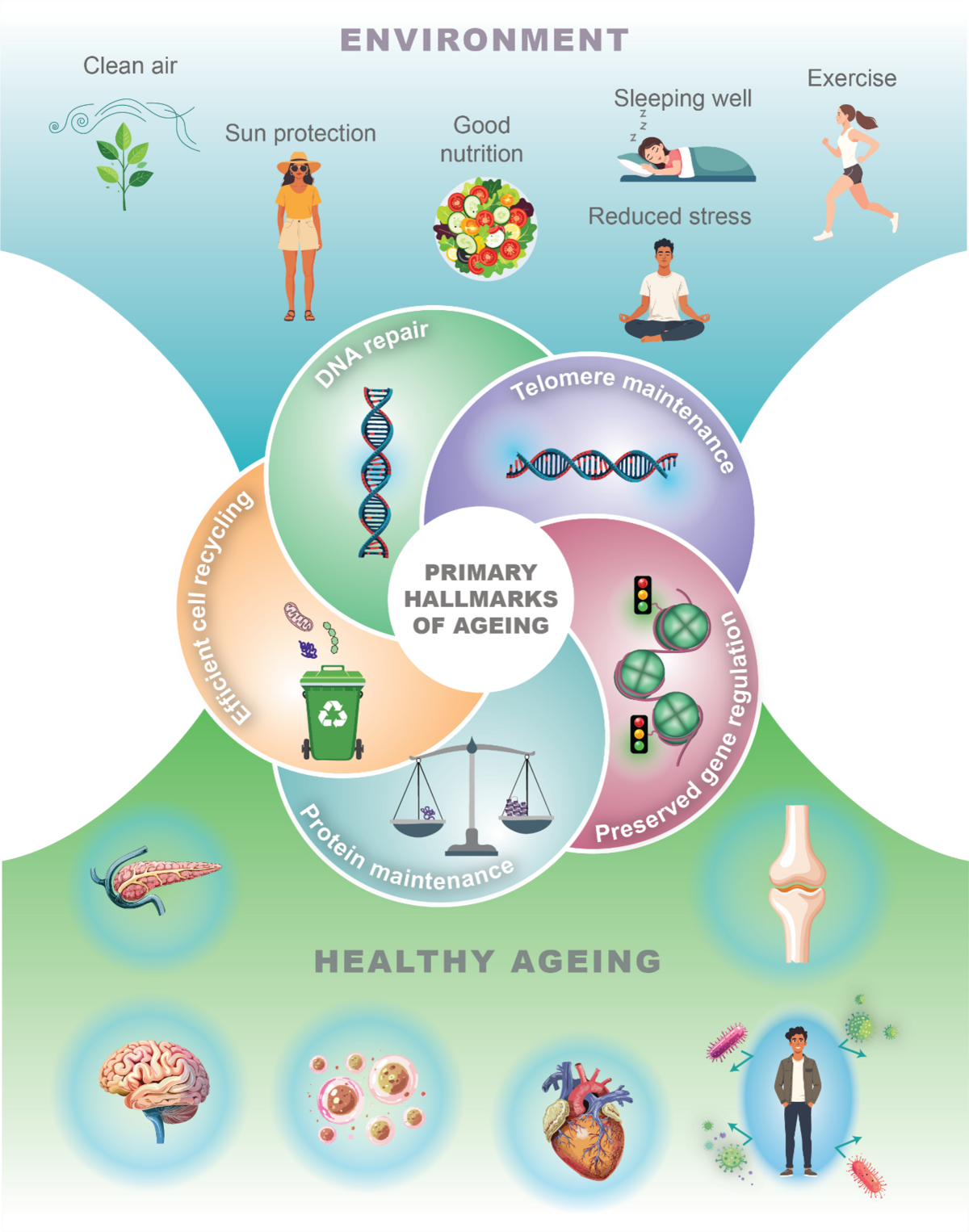
Our health becomes increasingly important as we get older, because it strongly affects not only how long we live, but also the quality of life of our senior years. Now that ageing research has identified the primary hallmarks that contribute to ageing, our goal is to find ways to target these hallmarks to support healthy ageing. This can be achieved through lifestyle changes like improving our diet and exercising more, or by developing new therapeutic drugs. By targeting the core mechanisms that drive ageing, we can discover new, more effective ways to treat age-related diseases and detect them earlier so they can be treated sooner. In younger people, we could even find ways to prevent age-related diseases from developing.
The copyright for this text is held by the Centre for Healthy Ageing and Institute of Molecular Biology (IMB) gGmbH.
Authors: Vanessa Kellner (PhD), Cheryl Li (PhD), Samantha Schmaul (PhD) and Ralf Dahm (PhD).
This text is for general informational and educational purposes only. We make every effort to ensure that the information published is accurate and supported by the current scientific literature at the time of writing. This information is, however, not intended to provide medical advice or replace a qualified medical practitioner. Please consult your doctor or health care professional if you have any concerns or questions about your health or the information in this document.