Healthy ageing is possible
Record holders for long life
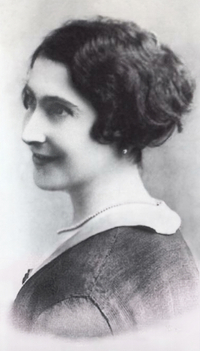
For humans, the longest recorded lifespan is 122 years and 164 days. This record is held by Jeanne Calment, a French supercentenarian who was born in 1875 and passed away in 1997. Could all of us have the potential to live as long as Jeanne Calment?
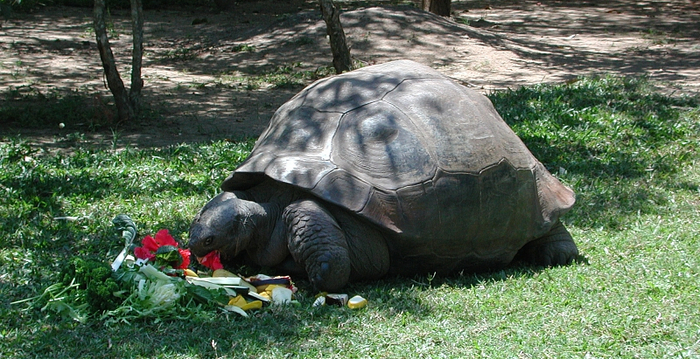
Other animals can live even longer. The Greenland shark, which lives in Arctic waters, is the world’s oldest known vertebrate and can survive for up to 500 years. Several species of turtles and tortoises can also live to extreme ages. A giant Galapagos tortoise named Harriet allegedly collected by Charles Darwin is known to have lived to the age of ~175 years, while the Tu'i Malila radiated tortoise lived to be at least 188 years old. According to tradition, it was given as a gift to the royal family of Tonga in 1777 by the British explorer James Cook and greeted Queen Elizabeth II and Prince Philip as the "oldest inhabitant of the kingdom" during their visit to the island state in 1953.
Most interestingly, these long-lived animals do not appear to age, either – that is, unlike humans, their probability of dying does not rise as they get older.
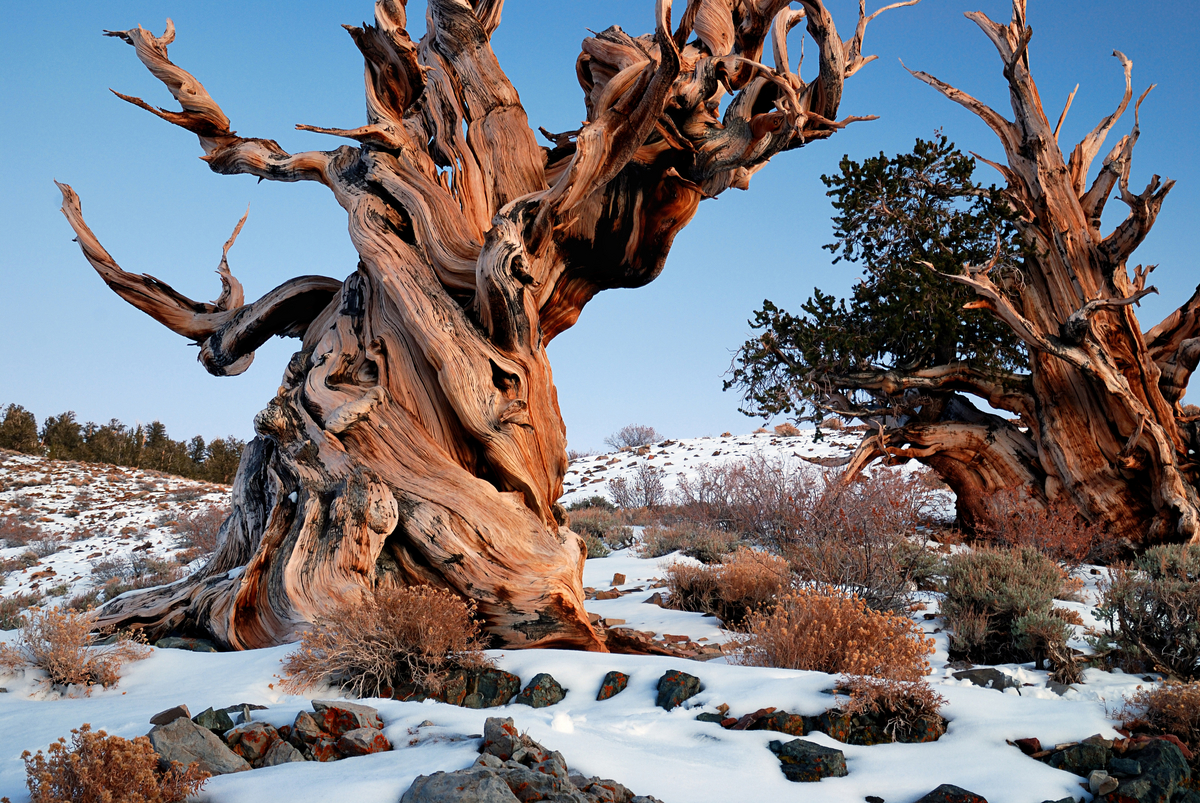
Some plants can also live for thousands of years. The oldest known tree, a long-lived bristlecone pine tree named "Methuselah" in California, is almost 5,000 years old and counting. As it first broke through the forest floor as a small sapling, the pyramids of Giza were still being built in Egypt!
Why is it that some species can live for so long, while humans only live to be 100?
How do they continue to maintain function and not get age-related diseases for hundreds or even thousands of years?
And could we adopt some of these biological mechanisms to help humans age more healthily?
These are some of the questions we are investigating.